

ב"ה
Parshat Shoftim




|
Video
|
|
Audio
|






Shoftim in a Nutshell
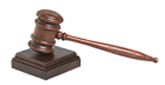
The name of the Parshah, "Shoftim," means "Judges" and it is found in Deuteronomy 16:18.
Moses instructs the people of Israel to appoint judges and law enforcement officers in every city. “Justice, justice shall you pursue,” he commands them, and you must administer it without corruption or favoritism. Crimes must be meticulously investigated and evidence thoroughly examined—a minimum of two credible witnesses is required for conviction and punishment.
Other Parshas
- Bereshit
- Noach
- Lech Lecha
- Vayera
- Chayei Sarah
- Toldot
- Vayetze
- Vayishlach
- Vayeshev
- Miketz
- Vayigash
- Vayechi
- Shemot
- Va'era
- Bo
- Beshalach
- Yitro
- Mishpatim
- Terumah
- Tetzaveh
- Ki Tisa
- Vayakhel
- Pekudei
- Vayikra
- Tzav
- Shemini
- Tazria
- Metzora
- Acharei Mot
- Kedoshim
- Emor
- Behar
- Bechukotai
- Bamidbar
- Naso
- Behaalotecha
- Shelach
- Korach
- Chukat
- Balak
- Pinchas
- Matot
- Masei
- Devarim
- Va'etchanan
- Eikev
- Re'eh
- Shoftim
- Ki Teitzei
- Ki Tavo
- Nitzavim
- Vayelech
- Haazinu
- V'Zot HaBerachah / Simchat Torah
- Vayakhel-Pekudei
- Tazria-Metzora
- Acharei-Kedoshim
- Behar-Bechukotai
- Chukat-Balak
- Matot-Masei
- Nitzavim-Vayelech
- Rosh Hashanah
- Yom Kippur
- Sukkot
- Shemini Atzeret
- Simchat Torah
- Chanukah
- Purim
- Passover
- Shavuot
- Shekalim
- Zachor
- Parah
- Hachodesh
- Rosh Chodesh
- Fast Days